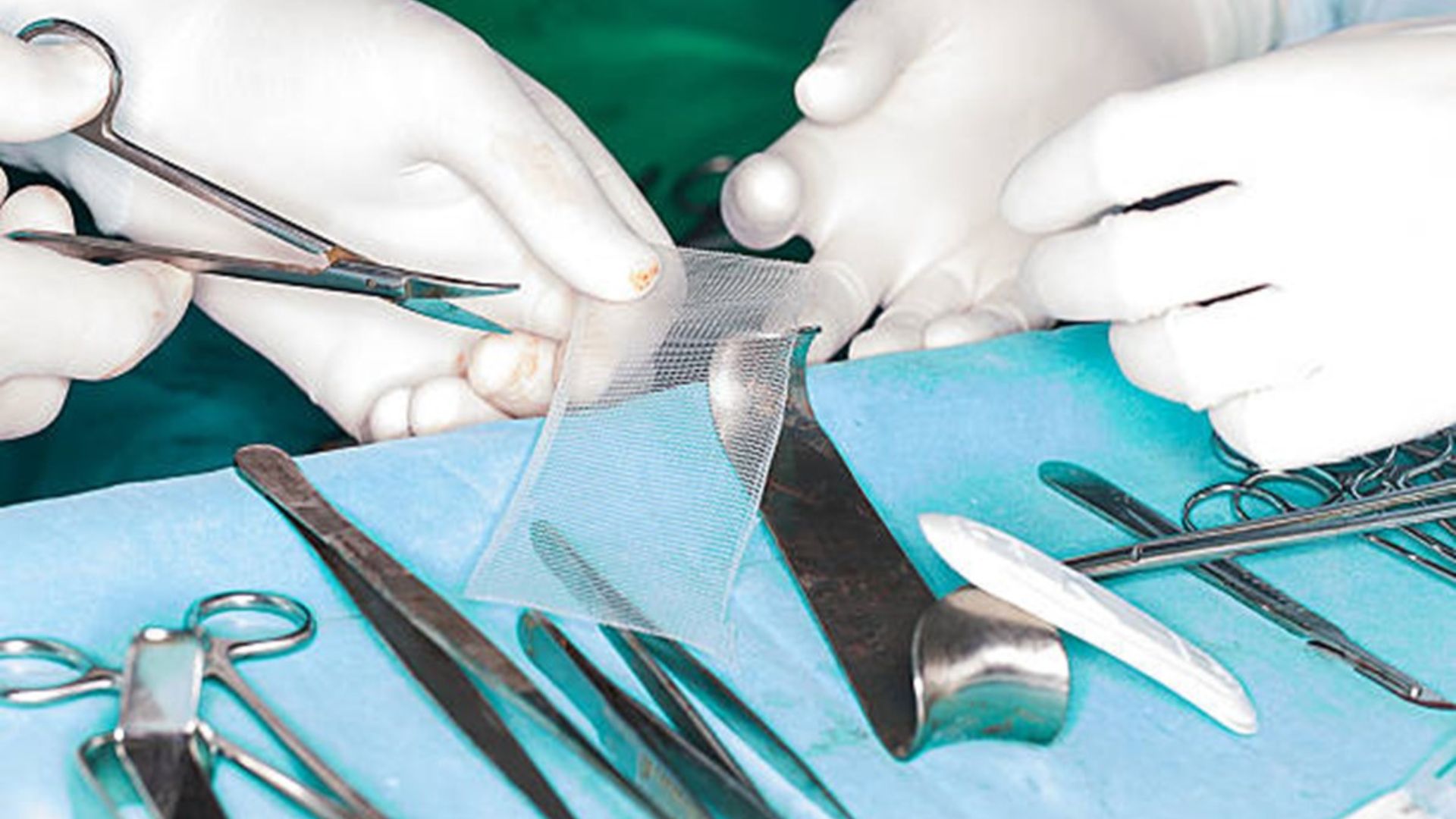
Garantía de calidad en la fabricación de mallas de hernia

Las mallas para hernias, un dispositivo médico crucial utilizado en intervenciones quirúrgicas, desempeñan un papel fundamental en la reparación de tejidos y la prevención de la reaparición de hernias. El proceso de fabricación de estos dispositivos es complejo y exige los más altos niveles de garantía de calidad para garantizar la seguridad del paciente. En este artículo nos adentramos en los meticulosos procedimientos y...

Detalles

What is Hernia Mesh Made of?

Hernia mesh, also known as Polypropylene Mesh, is typically made from synthetic materials. The most commonly used materials in hernia mesh include polypropylene, polyester, and polytetrafluoroethylene (PTFE). These materials are chosen for their biocompatibility, strength, and durability. Polypropylene mesh is the most widely used material for hernia repair due to its excellent tensile strength and…

Detalles

Plain Catgut vs Chromic Catgut

Discover the differences between plain catgut and chromic catgut sutures in terms of absorption rate, tensile strength, handling, and indications. Learn how to choose the right suture option for specific surgical applications to ensure optimal wound closure and patient outcomes. In the realm of absorbable sutures, both plain catgut and chromic catgut are widely used…

Detalles

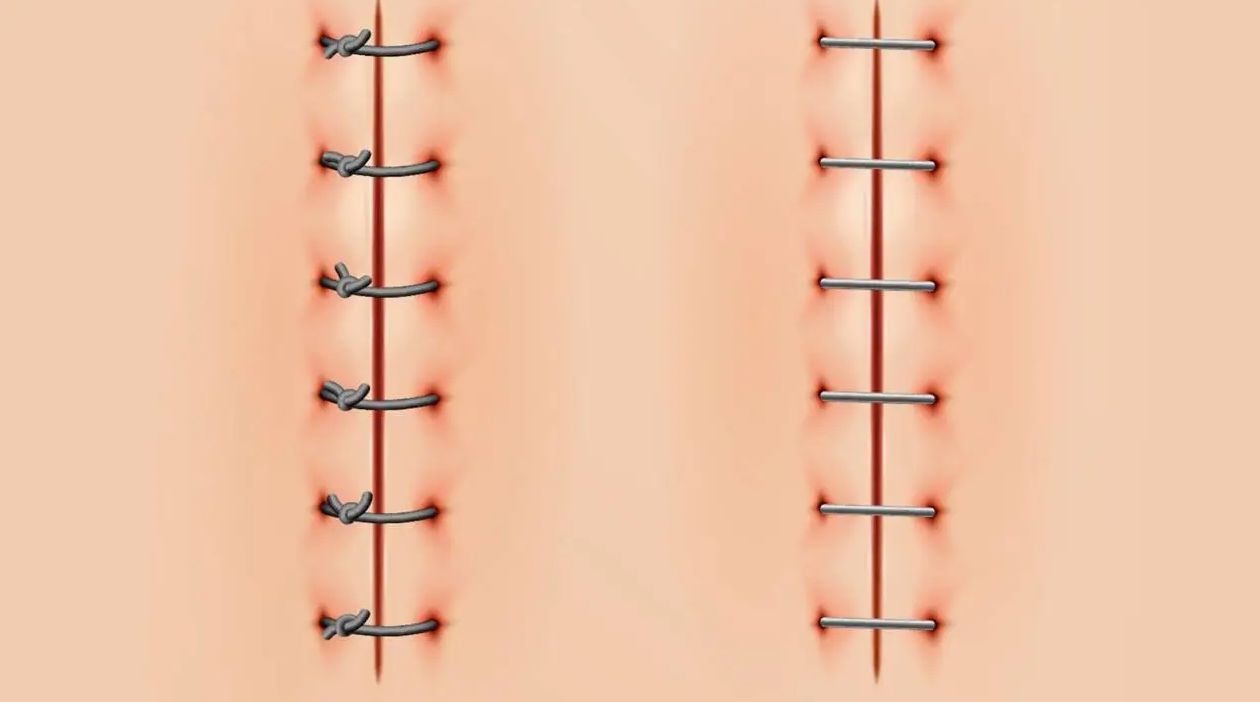
Las ventajas de las suturas absorbibles: Mejora de la cicatrización de heridas y de la experiencia del paciente

Sutures play a vital role in wound closure, allowing tissues to heal properly and securely. While traditional sutures made from non-absorbable materials have been widely used, absorbable sutures have gained popularity in recent years. These sutures offer several benefits that contribute to improved patient outcomes and simplify the healing process. In this article, we will…

Detalles