Bleeding control is one of the most important priorities during any surgical procedure. While surgeons commonly use sutures, ligatures, pressure and electrocautery to manage bleeding, some surgical sites can be difficult to access or may continue to bleed despite conventional techniques. In such situations, topical haemostatic materials can provide valuable support.
Oxidized Regenerated Cellulose, commonly known as ORC, is an absorbable surgical haemostatic material designed to assist surgeons in controlling bleeding. Its primary medical use is to support haemostasis during surgical procedures, particularly when conventional bleeding-control methods are ineffective, impractical or difficult to apply.
What Is Oxidized Regenerated Cellulose?
Oxidized Regenerated Cellulose is a plant-derived cellulose material that undergoes regeneration and controlled oxidation to create an absorbable medical-grade haemostatic agent.
It is commonly manufactured as a soft, flexible and knitted fabric that can be placed directly over a bleeding tissue surface. The material is designed to conform to irregular anatomical areas, making it suitable for locations where suturing, ligation or electrocautery may be challenging.
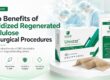
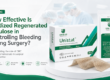
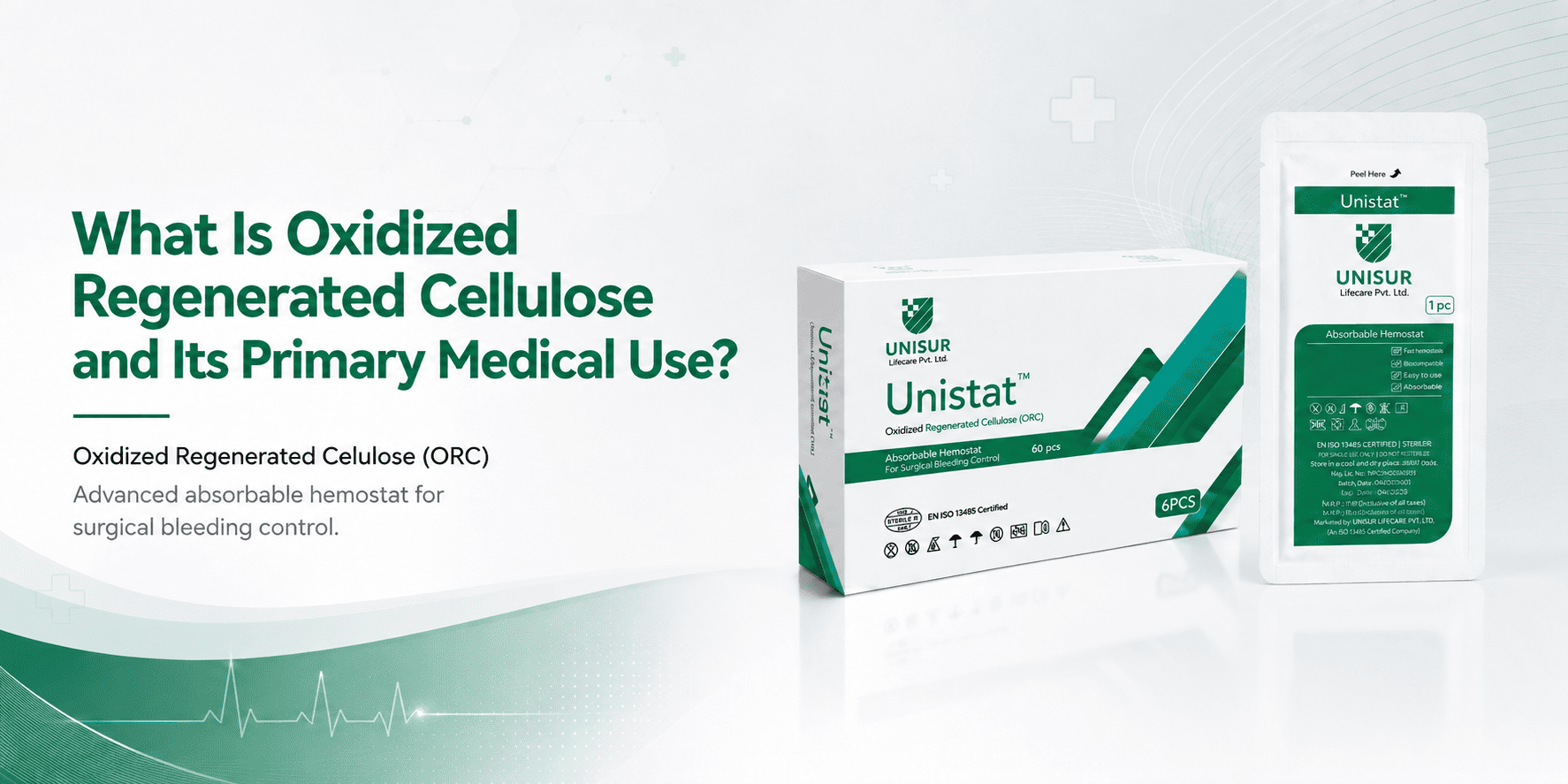
UNISTAT™ Oxidized Regenerated Cellulose from Universal Sutures is an absorbable, warp-knitted fabric developed for surgical applications where haemostasis is required. Its soft and conformable structure allows it to be cut, shaped and positioned according to the surgical site.
What Is the Primary Medical Use of ORC?
The primary medical use of Oxidized Regenerated Cellulose is to help control surgical bleeding.
ORC is generally used as an adjunctive haemostatic agent. This means that it supports standard bleeding-control methods rather than replacing them. It may be applied when pressure, suturing, ligation, cauterisation or other conventional techniques are ineffective or impractical.
Absorbable haemostatic agents are medically intended to produce haemostasis by helping accelerate the clotting process and are gradually absorbed by the body after application.
ORC is particularly useful for controlling:
• Capillary bleeding
• Venous bleeding
• Minor bleeding from small vessels
• Diffuse surface oozing
• Bleeding from irregular tissue surfaces
• Bleeding in difficult-to-access surgical areas
Regulatory information for comparable ORC haemostatic devices describes their use in controlling capillary, venous and small arterial haemorrhage when ligation or other conventional methods are ineffective or impractical.
How Does Oxidized Regenerated Cellulose Work?
When Oxidized Regenerated Cellulose comes into contact with blood, it absorbs fluid, swells and forms a soft, gel-like mass over the bleeding surface.
This physical transformation helps create a local barrier and provides a structure around which blood components can accumulate. The material supports clot formation and helps stabilise the surgical site.
The oxidation process also gives ORC an acidic environment. This acidity contributes to its haemostatic properties and may help limit the growth of certain microorganisms around the application area. ORC is widely recognised for its absorbability, biocompatibility, ease of application and haemostatic performance.
The general process can be understood in four stages:
- ORC is applied directly to the bleeding tissue.
- The material absorbs blood and begins to swell.
- It develops into a gel-like mass that conforms to the tissue surface.
- The local environment supports clot formation and assists in controlling bleeding.
Why Is ORC Useful During Surgery?
Surgical bleeding does not always occur from a clearly visible vessel that can be easily tied or cauterised. In many cases, blood may ooze gradually from a broad, delicate or irregular tissue surface.
ORC can be valuable in these situations because it is flexible, absorbable and easy to position.
Conforms to irregular surfaces
The fabric can be placed over curved, uneven or difficult-to-reach tissue areas. It may also be cut to the required shape and size.
Supports rapid haemostasis
On contact with blood, ORC swells and creates a local environment that supports clot formation.
Absorbable by the body
Because the material is absorbable, removal may not be necessary when it is used correctly and according to the approved instructions for use. Universal Sutures states that its ORC material is naturally absorbed in approximately 7 to 14 days, although absorption can vary according to the quantity used and the surgical site.
Easy to handle
The soft knitted structure allows surgeons to position the material precisely without requiring complex preparation.
Useful when conventional methods are difficult
ORC can provide additional support in locations where suturing, ligation or electrocautery may be impractical.
Common Surgical Applications of Oxidized Regenerated Cellulose
Oxidized Regenerated Cellulose can be used across different surgical specialties where local bleeding control is required.
Potential applications include:
General surgery
ORC may help manage diffuse bleeding from soft tissues, organ surfaces and surgical dissection areas.
Cardiovascular surgery
It may be used to support haemostasis around delicate vessels, graft sites and tissues where extensive cauterisation may not be desirable.
Neurosurgery
Its conformable structure can be useful in delicate and restricted surgical spaces where precise bleeding control is essential.
Gynaecological surgery
ORC may help control bleeding from pelvic tissues and broad surgical surfaces.
Orthopaedic surgery
It may assist with bleeding from soft tissue and bone surfaces during selected procedures.
Oral and dental surgery
Comparable ORC haemostatic products are also indicated for supporting bleeding control after dental extractions and other oral surgical procedures.
The exact application, amount and placement must always follow the specific product’s approved instructions for use.
ORC Is an Adjunct, Not a Replacement for Surgical Technique
Oxidized Regenerated Cellulose is designed to assist surgeons with haemostasis. It should not be considered a replacement for appropriate surgical bleeding-control techniques.
The surgeon must first identify the source, severity and type of bleeding. Major arterial bleeding or high-pressure haemorrhage generally requires definitive control through methods such as suturing, ligation, vessel repair or other appropriate interventions.
Clinical literature indicates that ORC is especially valuable for mild-to-moderate intraoperative bleeding, while specialised haemostatic technologies may be more suitable for certain high-pressure bleeding situations.
UNISTAT™ Oxidized Regenerated Cellulose by Universal Sutures
UNISTAT™ Oxidized Regenerated Cellulose is designed as an absorbable haemostatic material for use during surgical procedures.
Its key characteristics include:
• Absorbable and biocompatible construction
• Soft, flexible and conformable knitted structure
• Easy cutting and placement
• Rapid interaction with blood
• Support for capillary and venous bleeding control
• Suitability for irregular or difficult-to-access tissue surfaces
• Application across multiple surgical specialties
By combining absorbability, flexibility and haemostatic support, UNISTAT™ offers surgeons a practical solution for managing localised surgical bleeding when standard methods alone may be insufficient or difficult to perform.
Conclusión
Oxidized Regenerated Cellulose is an absorbable, plant-derived topical haemostatic material primarily used to assist in controlling bleeding during surgery.
When placed over a bleeding surface, it absorbs blood, swells and forms a gel-like mass that supports clot formation. Its flexible structure makes it particularly useful for diffuse bleeding, delicate tissues, irregular surfaces and surgical areas where suturing, ligation or electrocautery may be impractical.
With UNISTAT™ Oxidized Regenerated Cellulose, Universal Sutures provides a dependable haemostatic solution designed to support precision, efficiency and effective bleeding management across a wide range of surgical procedures.