Polyglactin 910 vs Polyglycolic Acid Sutures

Selecting an absorbable surgical suture involves more than choosing a material that eventually dissolves. Its composition, strength retention, absorption profile and needle configuration all matter when evaluating a product for a particular procedure. Polyglactin 910 and Polyglycolic Acid (PGA) are two synthetic absorbable suture materials available from Universal Sutures. Although they share several characteristics, they…

Details

How to Start a Private-Label Surgical Suture Brand

Launching a private-label surgical suture brand begins with understanding your customers, selecting the right products and finding a manufacturing partner who can support your requirements. For medical distributors, healthcare suppliers and businesses expanding their surgical product portfolio, OEM manufacturing offers a route to developing a branded range without establishing an entire production facility. However, a…

Details

What Is an Absorbable Tacker Used for in Surgery?

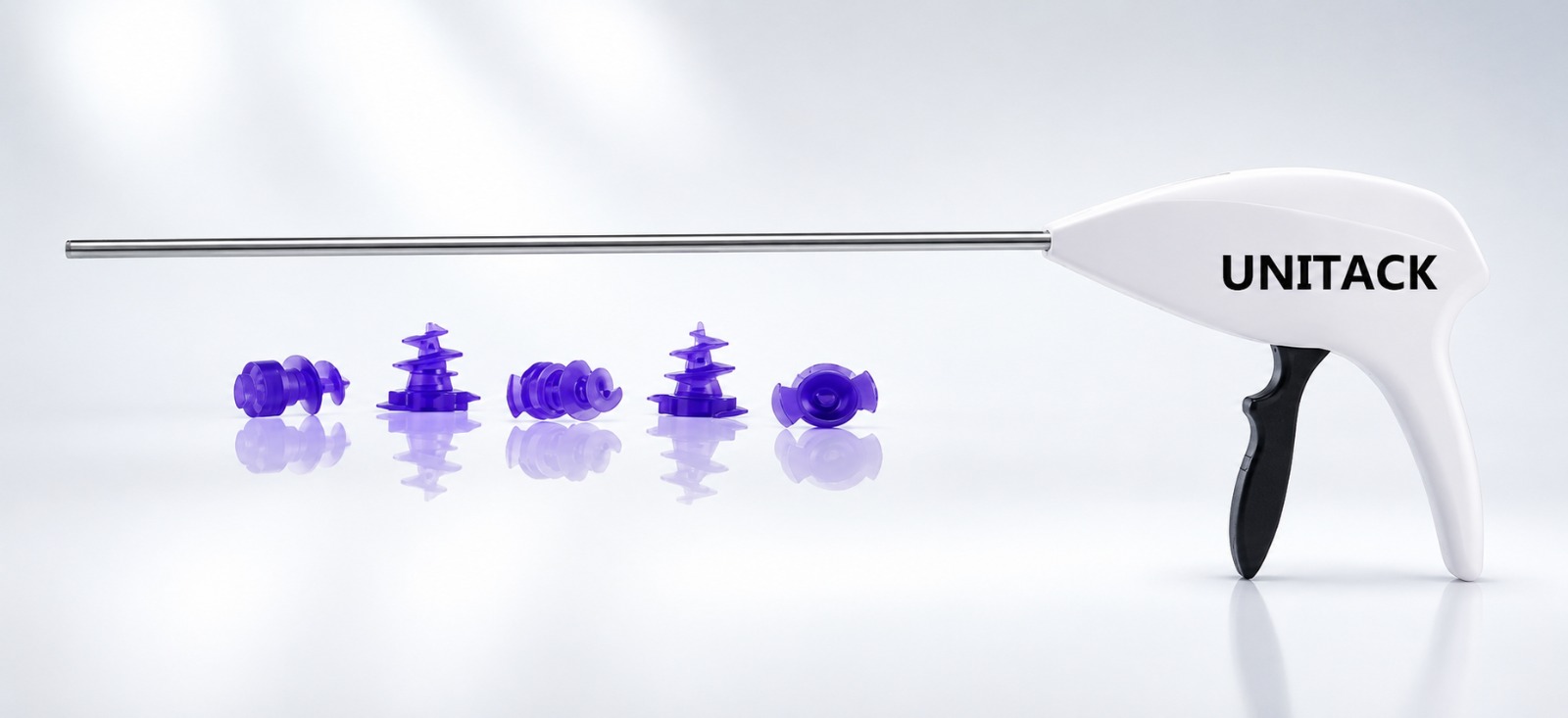
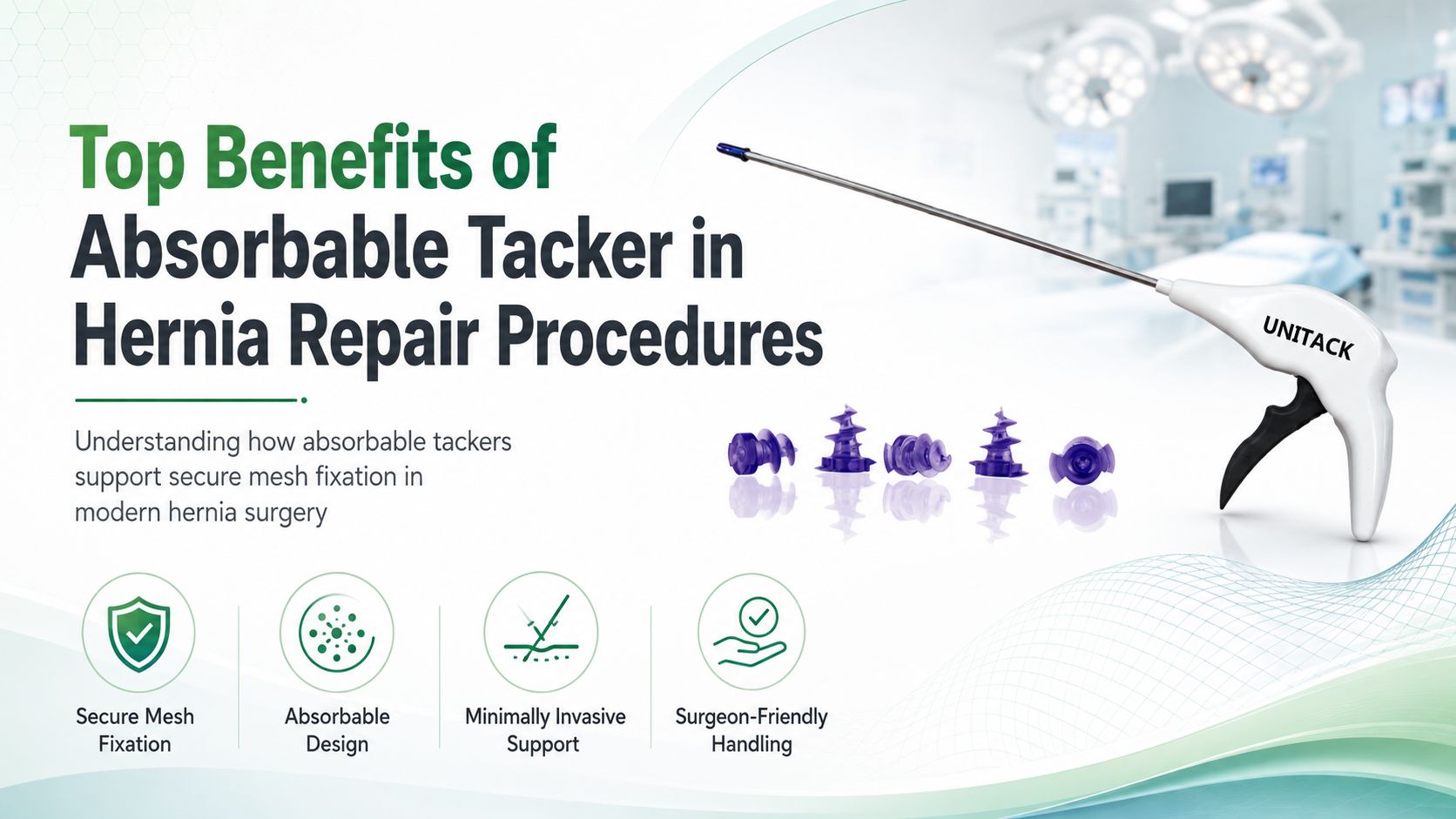
What Is an Absorbable Tacker Used for in Surgery? Modern surgical procedures increasingly use minimally invasive techniques to reduce tissue trauma, improve procedural efficiency and support faster patient recovery. During many hernia repair procedures, surgeons place a surgical mesh over weakened tissue to reinforce the affected area. For the mesh to function effectively, it must…

Details
Oxidized Regenerated Cellulose

What Is Oxidized Regenerated Cellulose and Its Primary Medical Use?

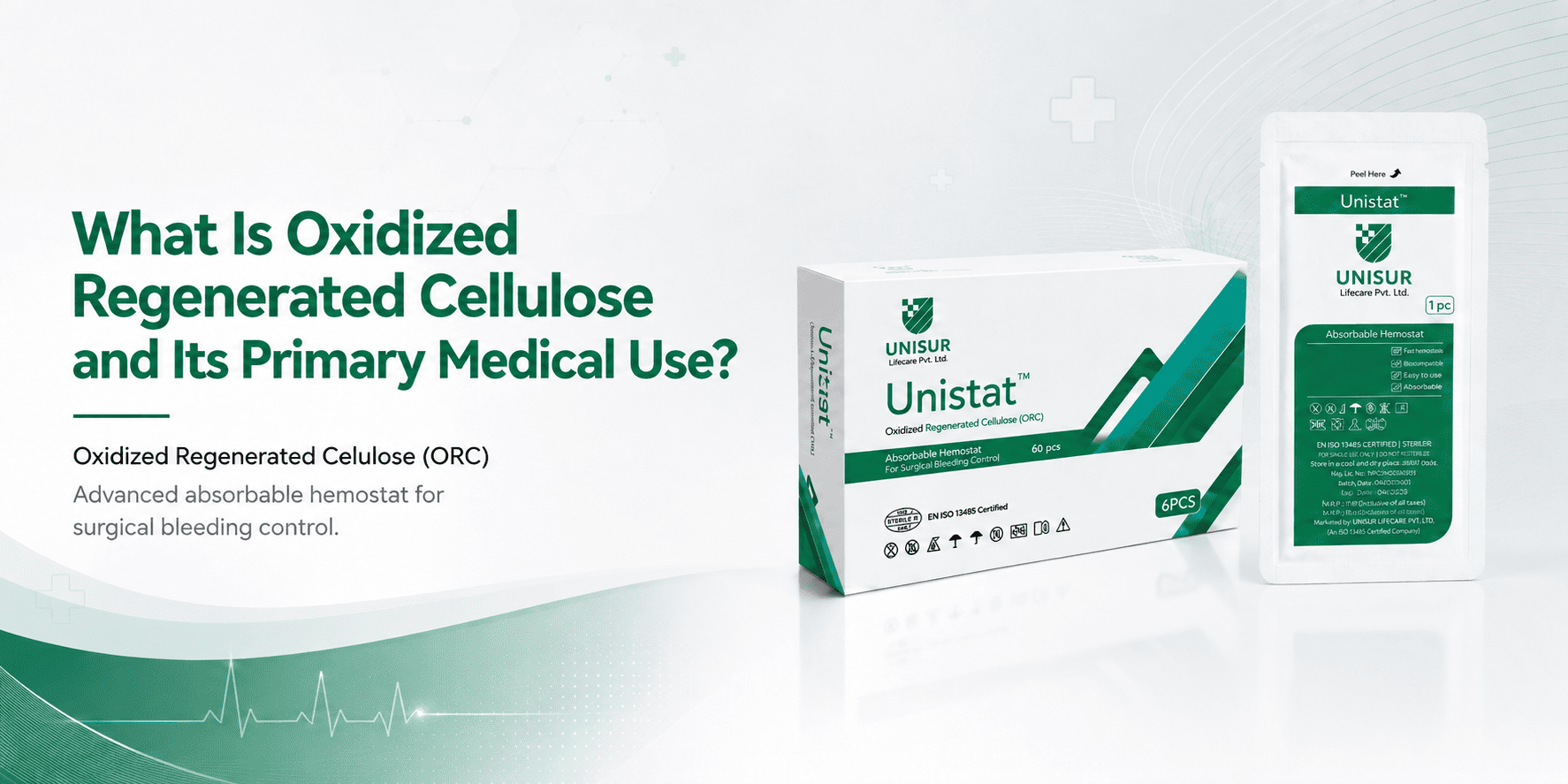
Bleeding control is one of the most important priorities during any surgical procedure. While surgeons commonly use sutures, ligatures, pressure and electrocautery to manage bleeding, some surgical sites can be difficult to access or may continue to bleed despite conventional techniques. In such situations, topical haemostatic materials can provide valuable support. Oxidized Regenerated Cellulose, commonly…

Details

Top Benefits of Oxidized Regenerated Cellulose in Surgical Procedures

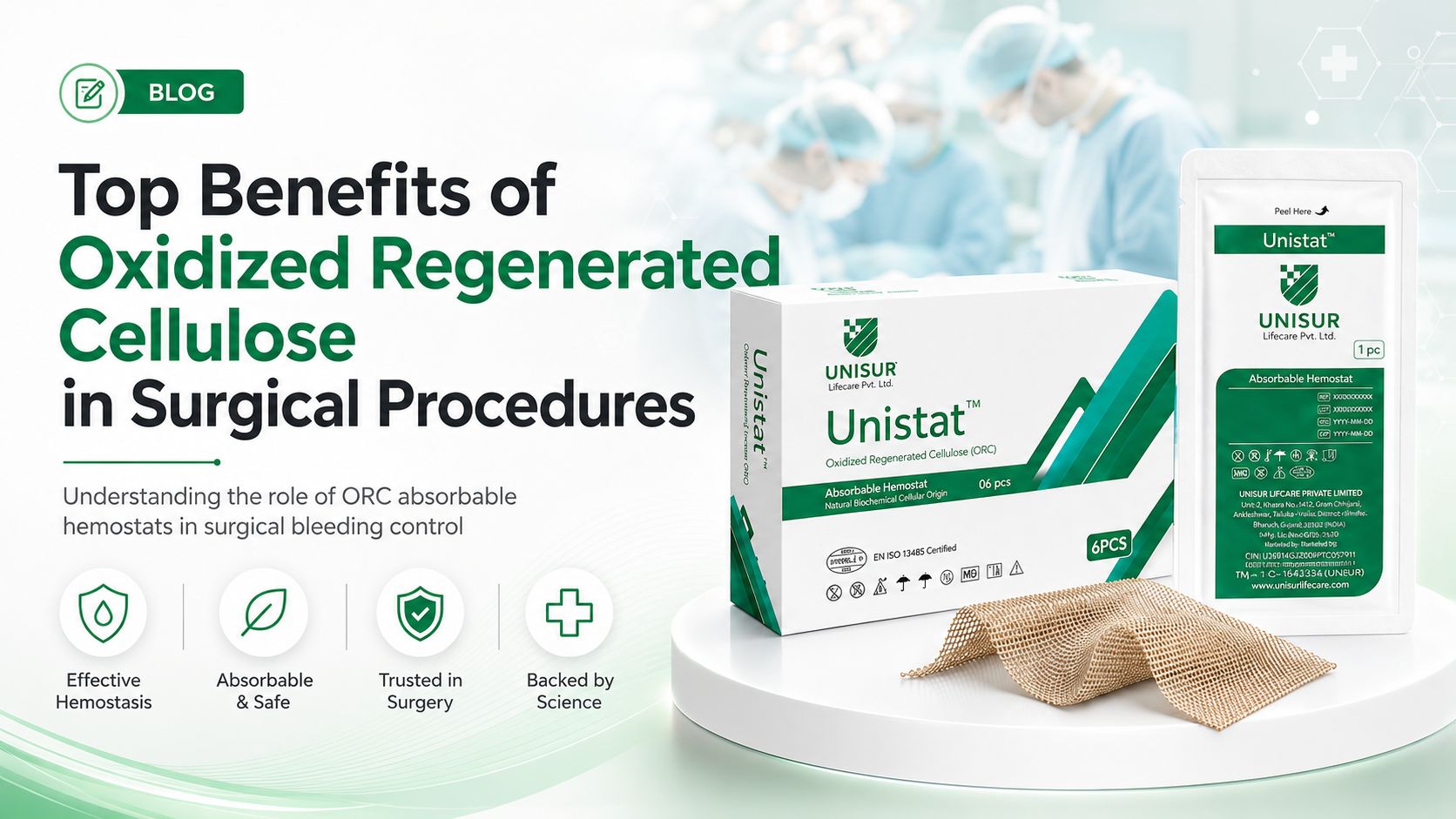
Bleeding control is one of the most important aspects of any surgical procedure. Whether it is a minor operation or a complex surgical intervention, effective hemostasis helps surgeons maintain a clear surgical field, reduce blood loss, and support better procedural outcomes. One widely used hemostatic material in modern surgery is Oxidized Regenerated Cellulose, commonly known…

Details

How Effective Is Oxidized Regenerated Cellulose in Controlling Bleeding During Surgery?

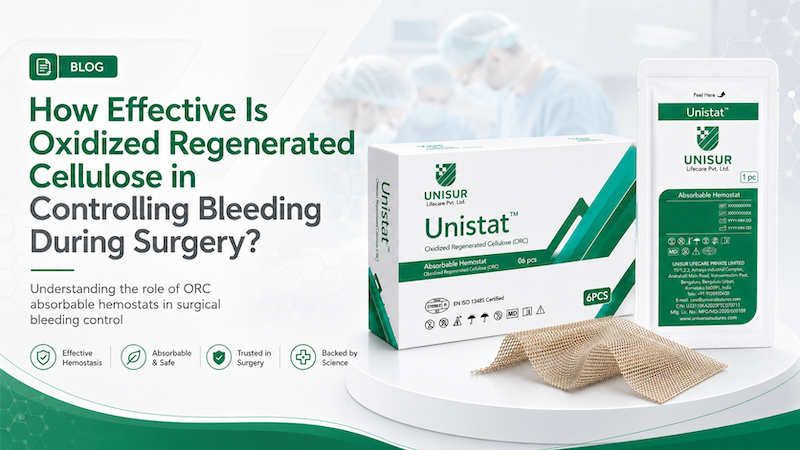
Bleeding control is one of the most important parts of any surgical procedure. Even minor bleeding can affect visibility, increase operating time, and create challenges for the surgical team. To support effective hemostasis, surgeons often use topical absorbable hemostats along with conventional bleeding control methods such as pressure, ligation, cautery, or suturing. One widely used…

Details

What is Mersilene Tape and How is It Used in Surgical Procedures?

Mersilene tape is a non-absorbable surgical material widely used in various medical procedures that require strong, long-term tissue support. It is made from braided polyester fibers, which provide high tensile strength, durability, and reliable performance during and after surgery. Surgeons commonly prefer Mersilene tape for procedures where permanent reinforcement of tissues is required, particularly in…

Details